Porcelain vs. Concrete Outdoor Pavers for Brooklyn Spaces: A 2026 Comparison
Choosing between porcelain and concrete pavers is one of the most common decisions Brooklyn homeowners face when planning a backyard, patio, or courtyard project. Both materials can look great and hold up for decades, but they perform differently depending on your space, your goals, and Brooklyn's climate. Whether you are selecting outdoor pavers for a rooftop terrace or a ground-level patio, this guide breaks down the key differences so you can make a confident, informed choice in 2026. Ready to move forward? Call M & B Concrete at (718) 498-0968 to speak with a specialist about your project.
How Brooklyn's Climate Affects Your Paver Choice
Brooklyn's weather makes material selection more important than in many other cities. Cold winters with repeated freeze-thaw cycles, wet springs, hot summers, and heavy rain events put real stress on outdoor surfaces year after year.
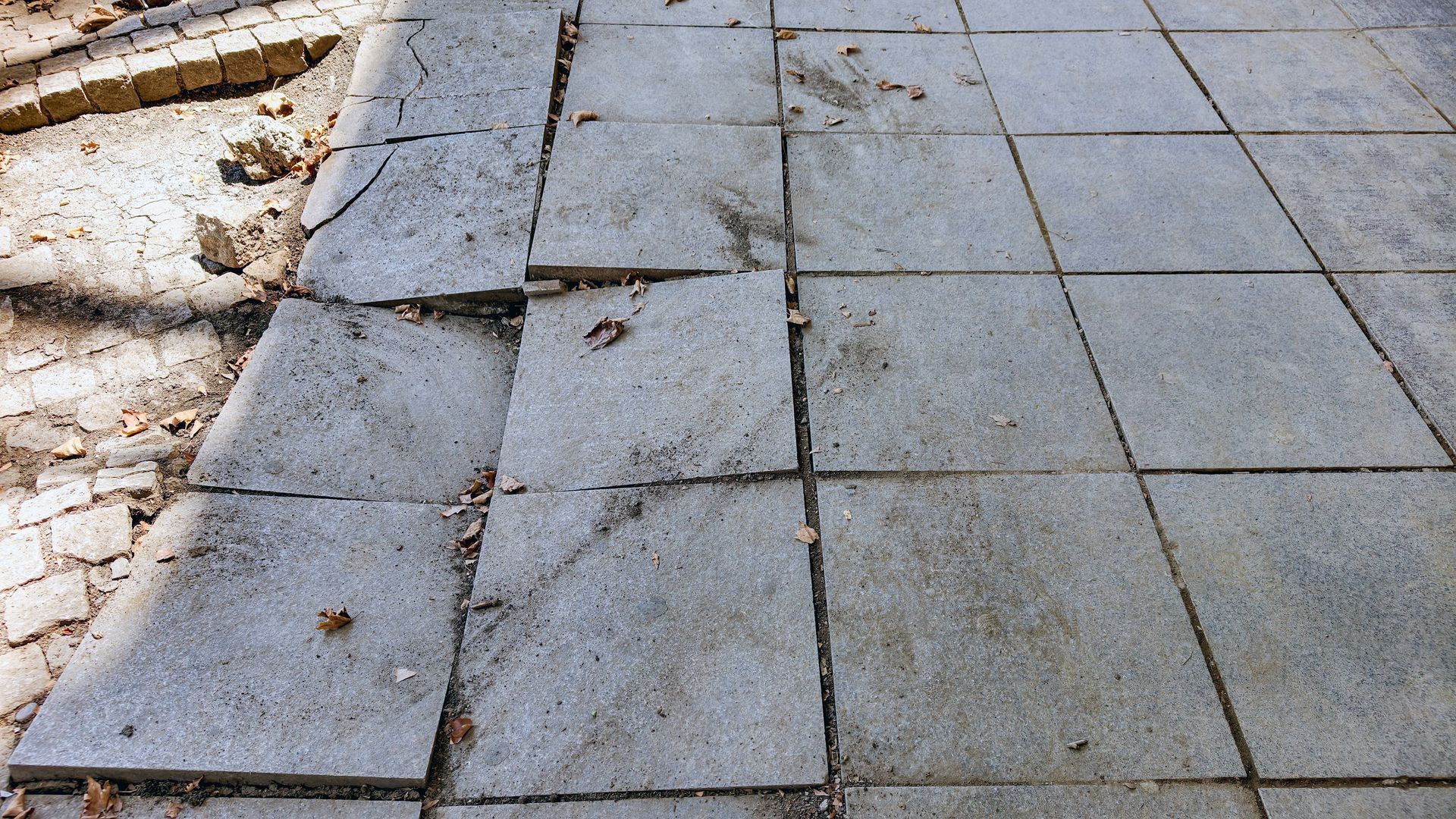
The key technical difference between these two materials is water absorption. Porcelain pavers absorb less than 0.5% of their weight in water, compared to 5% to 8% for standard concrete pavers. In a city where January temperatures regularly drop below freezing and climb back above it within days, that gap matters. Water that soaks into a paver can expand as it freezes, gradually causing cracks and surface damage.
Non-porous porcelain resists cracking from freeze-thaw fluctuations, mold growth, and fading, making it well-suited for wet or snowy climates. Concrete pavers can still perform well in Brooklyn, but product quality and proper installation both play a bigger role.
Porcelain Pavers: Pros and Cons for Brooklyn Outdoor Spaces
Porcelain pavers are a strong contender for outdoor pavers in Brooklyn, NY, particularly for backyard patios, rooftop terraces, and decorative courtyard surfaces in neighborhoods like Park Slope, Carroll Gardens, and Ditmas Park.
Pros
- Low water absorption, frost resistance, and slip-resistant surfaces make porcelain suited for nearly every outdoor application.
- Unlike natural stone, porcelain does not require sealing, which simplifies long-term maintenance.
- Porcelain offers a wide range of colors, patterns, and textures that mimic natural stone, wood, and more.
- Lightweight yet strong, porcelain is compatible with pedestal systems and does not require structural reinforcement, making it realistic for rooftop terraces.
- Lighter color options help reflect sunlight and keep surfaces cooler underfoot.
Cons
- Porcelain typically costs more upfront than concrete, which matters for smaller Brooklyn backyards on tighter budgets.
- Smooth or polished finishes can be slippery when wet; always confirm the slip rating before selecting a finish.
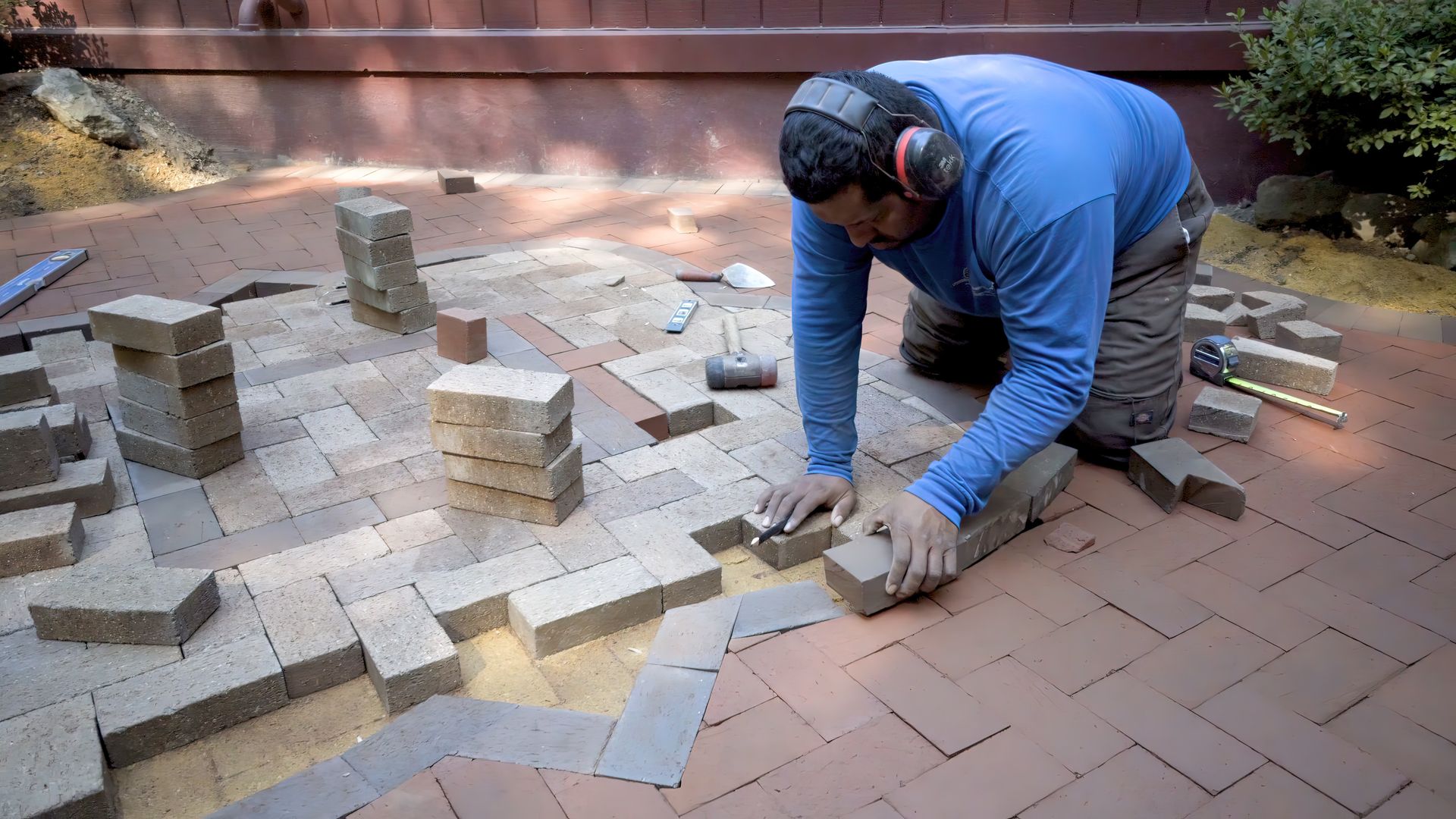
- Installation requires more precision and specialized skill, so contractor selection matters more with this material.
Concrete Pavers: Pros and Cons for Brooklyn Outdoor Spaces
Concrete pavers have been a staple in Brooklyn outdoor construction for decades and remain a practical choice for driveways, walkways, and patios across the borough.
Pros
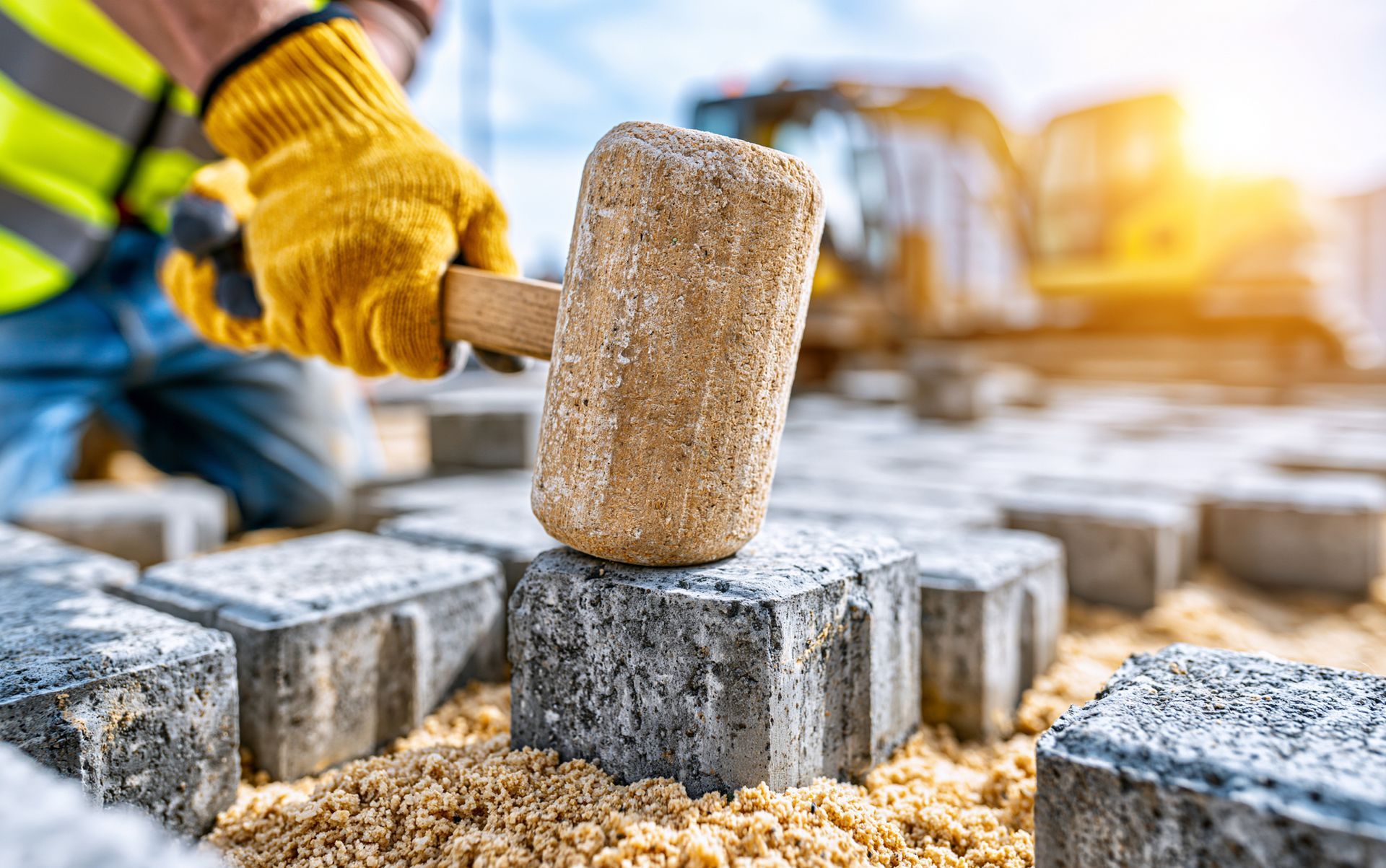
- Strength, versatility, and cost-effective performance make concrete a top choice for patios, driveways, and high-traffic areas.
- Concrete offers more texture and design flexibility for traditional or rustic aesthetics that suit Brooklyn row houses and brownstones.
- Concrete excels in load-bearing applications like driveways, depending on size and thickness.
- Widely available, easier to source locally, and simpler to repair on an individual unit basis if damage occurs.
Cons
- Higher water absorption can lead to cracking or surface wear in Brooklyn's winters if the base is not prepared correctly.
- Periodic sealing is often needed to slow staining and color fading.
- Color fading is more noticeable over time, since concrete uses surface pigments while porcelain's color is fired in.
Large-Format Pavers: A Growing Trend in NYC Urban Spaces
Large-format outdoor pavers, often 24x24 inches or larger, have grown popular across Brooklyn. Fewer visible joints create a cleaner, more contemporary look, and in compact backyards, fewer seams can make a space feel larger and more open.
Porcelain naturally lends itself to large-format designs because of its lighter weight and consistent surface quality. Concrete large-format options tend to be more forgiving during installation on irregular or older Brooklyn subgrades.
When to Choose Porcelain vs. Concrete
Choose porcelain if you: want a sleek, modern look, are working on a rooftop or elevated surface, prioritize very low maintenance, or have a patio in a shaded or high-moisture spot.
Choose concrete if you: need a driveway-rated surface, are working within a tighter budget, prefer a traditional aesthetic, or need a material that is easier to repair unit by unit over the years.
How to Choose the Right Contractor
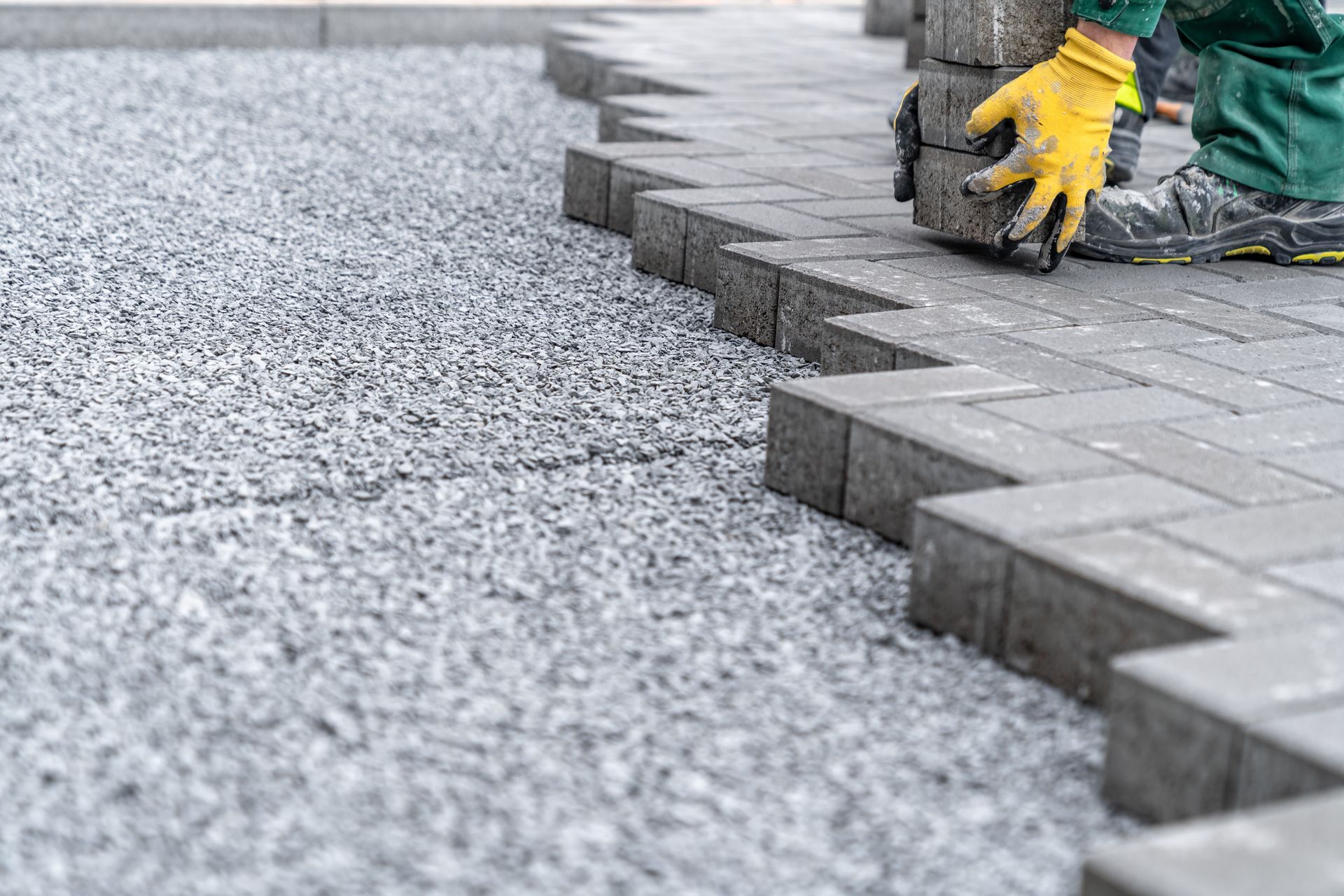
Material choice matters, but installation quality determines how long either paver type lasts. A poor base or incorrect drainage will cause problems regardless of surface material. When evaluating contractors for outdoor pavers in Brooklyn, look for experience with both material types, knowledge of local drainage requirements, and a portfolio of completed local projects. Ask specifically about base preparation and how they handle drainage in tight urban lots.
You can explore outdoor paver services to understand what a full installation involves, or review past project examples to see finished work firsthand.
Get Expert Guidance for Your Brooklyn Outdoor Project
The right outdoor paver choice depends on your space, your priorities, and your budget. Look up M & B Concrete on Google Maps to find our location details and see what Brooklyn neighbors are saying about us. Serving Brooklyn, NY, and the surrounding boroughs for over 25 years, the team is licensed, bonded, and insured, with experience installing both porcelain and concrete pavers across the five boroughs.
Request a free quote to get started, or call (718) 498-0968 to speak with a team member directly.
Recent Posts