Deciding whether to repair or replace damaged pavers is one of the most common questions Brooklyn homeowners face in 2026, and knowing what signs to look for can save significant time and money. When contractor paver repair is the right call, acting early prevents a small problem from becoming a full-scale replacement project. Call
(718) 498-0968 to get an honest assessment from M & B Concrete before a small issue turns costly. This guide breaks down the key differences between repair and replacement, explains what Brooklyn's unique conditions mean for your pavers, and helps you ask the right questions before hiring a pro.
How Brooklyn's Climate and Urban Conditions Affect Your Pavers
Brooklyn's pavers face a tough environment. The borough's freeze-thaw cycles hit hard each winter, with water seeping into small gaps, freezing, expanding, and cracking the surface or shifting the base material beneath. By the time spring arrives in neighborhoods like Flatbush, Crown Heights, or Bay Ridge, many homeowners are already looking at visible damage.
Urban traffic loads add another layer of stress. Delivery trucks, rideshares, and heavy garbage collection vehicles frequently travel residential streets and shared driveways, putting pressure on paver systems that were often designed for lighter loads. Salt used during winter snow removal can accelerate surface erosion and staining. All of these factors mean Brooklyn pavers tend to age faster than those in lower-traffic, milder climates.
Signs Your Pavers May Only Need Repair
Contractor paver repair in Brooklyn, NY, is often the smarter option when damage is limited and the base is still solid. Pavers that have shifted slightly due to root growth or minor soil settlement can usually be lifted, the base re-leveled, and the pavers reset without replacing a single stone. Isolated cracks affecting just a few pavers are another strong signal that spot repair is the right move.
Look for these repair-appropriate signs:
- One or two sunken or raised pavers that rock underfoot but show no structural cracking beneath.
- Minor joint erosion where polymeric sand or mortar has worn away but the pavers themselves are intact.
- Small surface chips or staining limited to a handful of stones that can be replaced individually.
- Isolated cracking that does not follow a long, continuous pattern across multiple rows.
If the damage is contained, a skilled contractor paver repair specialist can often restore the surface without disturbing the surrounding area. Early action matters here. A single wobbly paver left untreated can let water in, compromise the base, and turn a repair call into a replacement job.
When Full Replacement Makes More Sense
Replacement becomes the better investment when the damage is widespread or the base itself has failed. Widespread heaving, where large sections of pavers are rising unevenly, often points to a failed or improperly installed base layer. In Brooklyn, this can happen when tree roots from mature street trees grow under a patio or walkway, or when poor drainage causes the compacted gravel base to wash away over time.
Watch for these replacement indicators:
- Heaving or sinking across more than roughly a third of the paved surface area.
- Cracking that follows a long, continuous line across many pavers, suggesting base movement rather than surface wear.
- Recurring problems where previously repaired pavers keep shifting back out of place.
- Severe deterioration of the pavers themselves, with crumbling, flaking, or structural breakdown across most of the surface.
- Standing water that pools after rain and does not drain properly, pointing to a drainage or slope issue that requires a full redesign.
Replacing pavers also gives homeowners the chance to upgrade drainage, choose more durable materials, or update the look of an outdoor space. If a patio or driveway has reached the end of its useful life, contractor paver repair attempts can end up costing more over time than a well-executed replacement.
Questions to Ask a Brooklyn Contractor Before Starting Work
Asking the right questions upfront helps homeowners avoid surprises and find a contractor who will give honest guidance rather than push for the most expensive option.
- Is the base layer still structurally sound, and how can you tell?
- How many pavers would need to be replaced versus reset?
- Will the repair address the root cause, like drainage or root intrusion, or only the surface damage?
- Do you carry the proper licensing and insurance for work in New York City?
- Can you provide references from similar contractor paver repair or replacement projects in Brooklyn?
A contractor who cannot clearly answer why repair or replacement is recommended may not be giving you an honest assessment.
What to Expect During the Repair Process
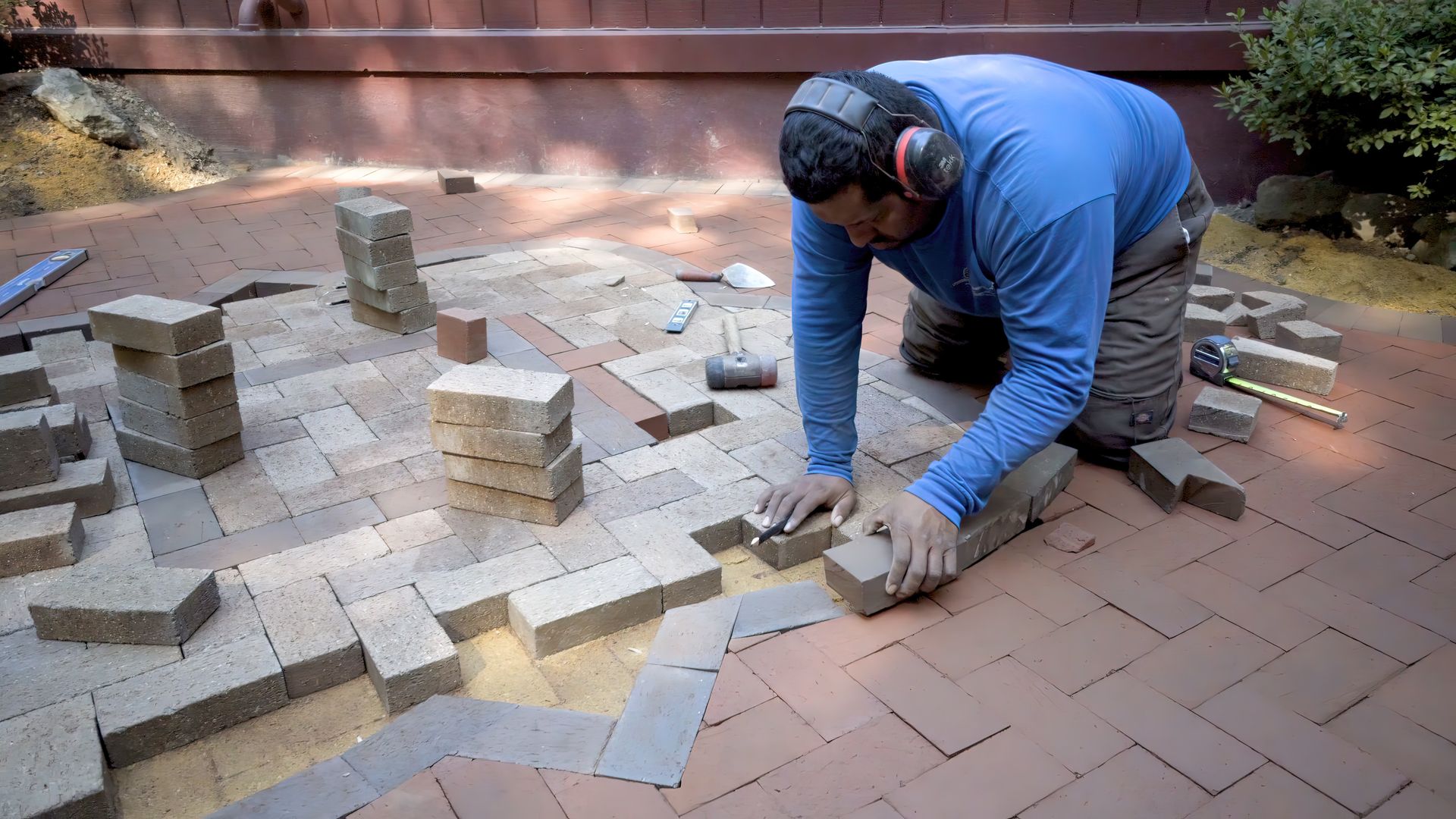
For most contractor paver repair jobs, a contractor will start by carefully removing the affected stones without damaging the surrounding area. The base material is then assessed and re-compacted or topped up as needed. Pavers are reset, joints are refilled, and the surface is checked for level and stability.
A straightforward repair on a small area can often be completed in a single visit. Larger jobs that involve base work or drainage corrections may take a day or two. Either way, a good contractor will walk you through the scope before any work begins. You can learn more about what to expect with outdoor surfaces by visiting the
outdoor pavers service page.
Make the Right Call With M & B Concrete
Choosing between repair and replacement does not have to be confusing. With the right contractor walking the site and checking the base, most homeowners get a clear answer quickly. Find M & B Concrete's location and business details listed on
Google Maps to see where we serve Brooklyn homeowners with honest assessments and quality workmanship on paver projects of all sizes. Call
(718) 498-0968 to schedule a free estimate, or
request a quote online to get started today.