Patio Pavers for Brooklyn Backyards: Materials, Drainage & What to Expect in 2026
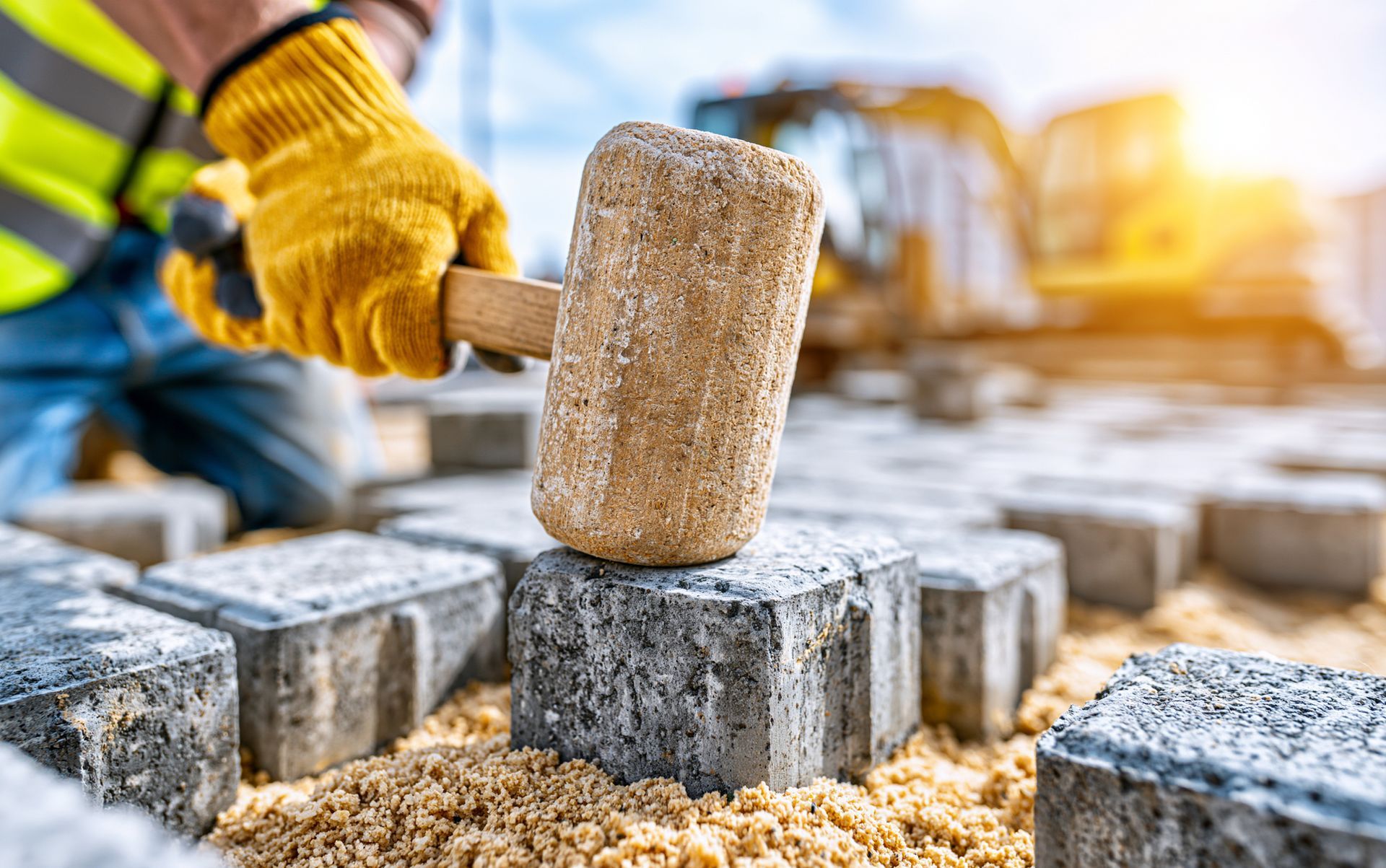
Patio pavers in Brooklyn, NY, present unique material, drainage, and permitting challenges that every homeowner should understand before starting a project in 2026.
Brooklyn backyards are compact, fenced on multiple sides, and accessed through tight passages. Getting the right pavers, a solid drainage plan, and a clear understanding of permits can mean the difference between a backyard that works for decades and one that becomes a problem after the first hard winter.
Which Paver Materials Hold Up in Brooklyn's Climate?
Brooklyn's freeze-thaw winters put porous materials under serious stress. Water seeps into a stone's surface, freezes, expands, and can split the material apart over multiple seasons. Choosing a low-absorption material is the most important decision you can make.
Here are four materials commonly used for patio pavers in Brooklyn, NY:
- Bluestone. A longtime NYC standard, bluestone handles freeze-thaw cycles well and pairs naturally with brownstone facades. It absorbs some moisture and benefits from periodic sealing to prevent surface flaking.
- Porcelain. Fired at very high temperatures, porcelain pavers are virtually impervious to water. They resist mold, frost, staining, and UV fading, making them a strong low-maintenance option.
- Concrete pavers. An affordable and durable choice, concrete pavers perform well in freeze-thaw conditions and come in a wide range of colors and shapes. Proper sealing and a solid base minimize shifting.
- Brick pavers. Brick blends well with Brooklyn's older architecture. When installed with sand joints, brick can flex slightly with temperature changes rather than cracking.
Why Does Drainage Matter So Much in a Small Brooklyn Yard?
Drainage is the most critical technical factor in a Brooklyn patio project. Enclosed yards leave water few places to go naturally, and a patio installed without proper grading can send water toward your foundation or onto a neighbor's property.
A surface slope of 1 to 2 percent directed away from the house is the standard starting point. Drainage options for tight urban lots often include French drains, which redirect water underground through perforated pipe and gravel; channel drains, which run along patio edges to capture surface runoff; and dry wells, which collect excess water below grade and allow it to disperse slowly into the soil.
Do Brooklyn Backyard Patios Require a Permit in 2026?
Most ground-level, uncovered patio pavers on private residential lots in Brooklyn do not require a full NYC DOB building permit. However, New York City follows its own building code, and covered patios, raised structures, or any work near the sidewalk or curb may trigger DOB or DOT permit requirements. Work near a street or curb should always be handled by a licensed contractor who can confirm what filings are needed before work begins.
How Long Does a Brooklyn Patio Project Typically Take?
A standard backyard patio installation in Brooklyn often runs 1 to 3 days for the physical work, depending on yard size and site access. Factor in time for material ordering, any required permits, and base preparation. Tight rear access can extend the timeline slightly due to equipment and material logistics. \
Ready to Transform Your Brooklyn Backyard?
M & B Concrete is a Brooklyn-based masonry contractor with more than 20 years of experience serving homeowners throughout the borough and greater New York City.
Explore our outdoor paver services to see what is possible for your space, or reach out through our
contact page to request a quote. Call us at
(929) 867-2563 to speak with someone directly about your backyard.
Recent Posts